
Plantar Fasciitis Heel Pain
"My feet hurt terribly! I can't take one more day, particularly in the morning".
Is this you? Heel Pain, Plantar Fasciitis or sometimes known as Heel Spurs is a very common problem experienced by thousands of Kiwi’s. Our feet support the entire weight of our bodies for almost all the years of our lives. Plantar Fasciitis can be so painful that it actually prevents you for doing day-to-day tasks.
What causes your heel pain?
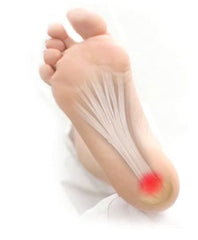 Heel pain is created by various aspects including weight gain, age, overuse, trauma, unsupportive shoes, jobs that need a bunch of standing and so on. A contributing factor to Plantar Fasciitis is excess pronation. This is a condition where the feet roll over, the arches collapse and the foot elongates. This excessive elongation places excess pressure on all the structures of the foot, including ligaments, muscles and nerves.
The Plantar Fascia is the main ligament on the bottom of the foot. It runs from the calcaneus (heel bone) to just behind the toes. Plantar Fasciitis is the clinical term for heel pain; it is Latin for 'inflammation of the plantar fascia".
When your foot is not functioning properly, the joints can “unlock” and induce the foot to roll inward. With each step taken your foot pronates and elongates, extending the plantar fascia past its norm stretch and recover point creating micro-tears in the ligament, and pain at the insertion point of the Plantar Fascia onto the heel bone. With time a 'heel spur” may develop. This is a bony development which forms on the calcaneus (heel bone).
During rest (e.g. when you're asleep or sit for a while), the plantar fascia tightens and shortens. When you get up, body weight is suddenly applied to the foot and the fascia must stretch and quickly lengthen, causing micro-tears in the tissue. This is why heel pain is more severe when you get up out of bed in the morning or after sitting for a while.
The reasons for over stretching of the plantar fascia are:
- poor foot function eg. overpronation (flattening of the arch and rolling inwards of the ankles)
- walking and standing on hard surfaces for long periods
- weight gain or pregnancy
- tightness in the calf muscles, achilles tendons or plantar fascia
Therapy options
In most cases heel pain can be treated with simple, non-invasive methods which you can do at home, including:
- rest: i.e. avoid prolonged activity such as walking running and sports
- ice packs: apply ice for only 5 mins, allowing the inflammation in the heel to cool down
- losing some weight
- stretching exercises
- wear a pair of orthotics in your shoes
In some cases more invasive treatments are need such as:
Cortisone-steroid treatments
Cortisone is a highly effective anti-inflammatory and when infused straight in to the heel it will work quickly. Remember however, that the therapy does not address the root cause of the problem, and has to be repeated every couple of months. These injections are fairly uncomfortable, and most doctors today will certainly consider other less invasive therapy options initially.
Shockwave therapy
ESWT (Extra Corporeal Shockwave Therapy). This is specialist equipment that targets shockwaves into the affected heel area. This treatment will certainly initiate a recovery response in the affected cells and tendons, reducing inflammation and pain. Some people find the shock waves quite painful and with return treatments over 3 to 4 months to gain complete resolution many people look for a more comfortable treatment approach.
Surgical treatment
In really unusual situations surgical treatment is recommended as a last resort on the Plantar Fascia. In this situation the surgeon makes an opening into the ligament, partly chopping the plantar fascia to launch a healing response from the body. If a heel spur is present, the surgeon will remove it.
What you can do yourself to ease heel pain
The most effective solution to heel pain is to treat the cause of the problem by correcting abnormal foot mechanics with orthotic insoles and exercises.
Developed by Podiatrists, Footlogics orthotics correct overpronation. By correcting overpronation and supporting the arches these orthotics help release the tension on the Plantar Fascia, thereby treating the cause of Plantar Fasciitis. In addition, a soft shock-absorbing heel pad under the orthotic helps reduce the impact on the painful heel, providing added relief and walking comfort.
Footlogics biomechanical insoles were developed by Podiatrists and have helped many thousands of heel pain sufferers across the UK, Europe, the USA and Australia. A recent Heel Pain study by the American Orthopaedic Foot and Ankle Society (AOFAS) found that by wearing orthotics and doing a number of daily heel pain exercises, 95% of patients experienced substantial, lasting relief from their heel pain symptoms!
Exactly how do orthotics help with Plantar Fasciitis?
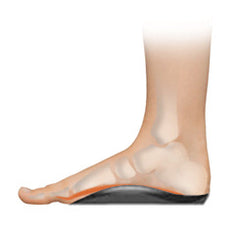
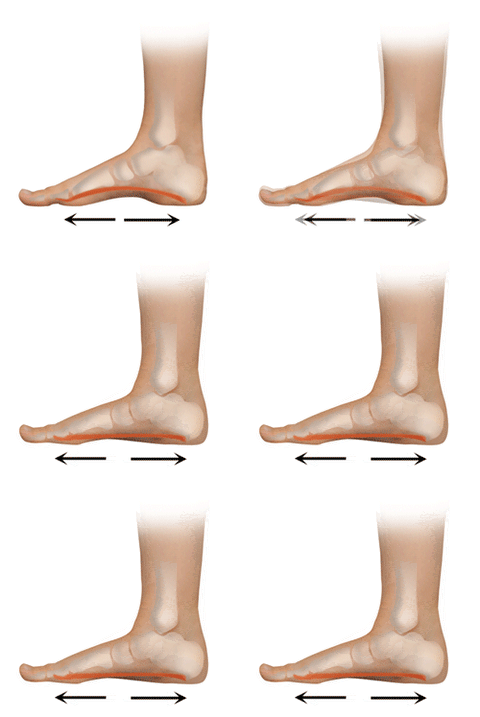 Orthotics are corrective foot devices. They are not the same as soft, jelly-like, rubber footbeds, or gel heel pads and so on. Gel and rubber footbeds may cushion the heels and feet, yet they do not offer any biomechanical improvement. In fact, gel can do the opposite and make an incorrect walking pattern even more unsteady!
Orthotic insoles work by supporting the arches. The majority of people's arches look quite regular when sitting or even standing. Nevertheless, when putting weight onto the foot when walking the arches lower, adding strain onto the Plantar Fascia. Orthotics support the arches, which then lowers the strain onto the Plantar Fascia, permitting the inflamed tissues to recover.
For one-off treatment of heel pain simple orthotics with a good home exercise program can be sufficient to relieve pain. If you have an underlying biomechanical problem which causes heel pains to return regularly then you should consult a Podiatrist.
Developed by Podiatrists, Footlogics orthotics assist the arches and substantially lower the strain on the Plantar Fascia, the origin of your heel pain problems. Footlogics are created with a shock-absorbing heel pad, which reduce impact on the painful heel area. For the alleviation of heel pain, we recommend the Footlogics Comfort full-length orthotic and the Footlogics Casual (3/4 length orthotic).
Both products are available from health professionals and retailers throughout New Zealand, or can be purchased on this site or by phoning 0800 36 68 63.
Two simple doctor-recommended, proven steps to effective heel pain relief are:
There is a useful blog post on the mainstay home therapy options on the Foot Mechanics Podiatry Blog.
Recommended products for Plantar Fasciitis (Heel Pain)
Footlogics - Casual
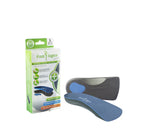
Space saving orthotics to provide foot comfort. The Footlogics Casual is a 3/4 length orthotic developed by Podiatrists. They provide relief for Plantar Fasciitis (heel pain) and other common foot complaints. The Casual fits in all types of flat or low-heeled slip-on shoes without laces. More about Footlogics Casual here.
Footlogics - Comfort

Orthotics designed to provide foot comfort while standing or walking on your feet all day. The Footlogics Comfort is a full-length orthotic developed by Podiatrists. The Comfort provides relief for Plantar Fasciitis (heel pain), Ball of Foot pain, and other common foot complaints. It fits in all types of lace-up shoes including joggers and also suitable for work boots. More about Footlogics Comfort here.
Footlogics - Sports

Orthotics to provides relief for sports injuries. Footlogics Sports are high quality full-length sports orthotics developed by Podiatrists. The Sports provides relief for sports injuries like Plantar Fasciitis (heel pain), Achilles Tendonitis, Shin Splints and Runner’s knee. It corrects overpronation, fallen arches and flat feet. The Footlogics Sport is designed to fit in running and walking shoes, cross-trainers, tennis and basketball shoes. It is also suitable for hiking shoes and boots. More about Footlogics Sports here.